Pattern Finishes That Handle Colorado Weather
Stamped Concrete in Denver for driveways and commercial surfaces requiring decorative durability
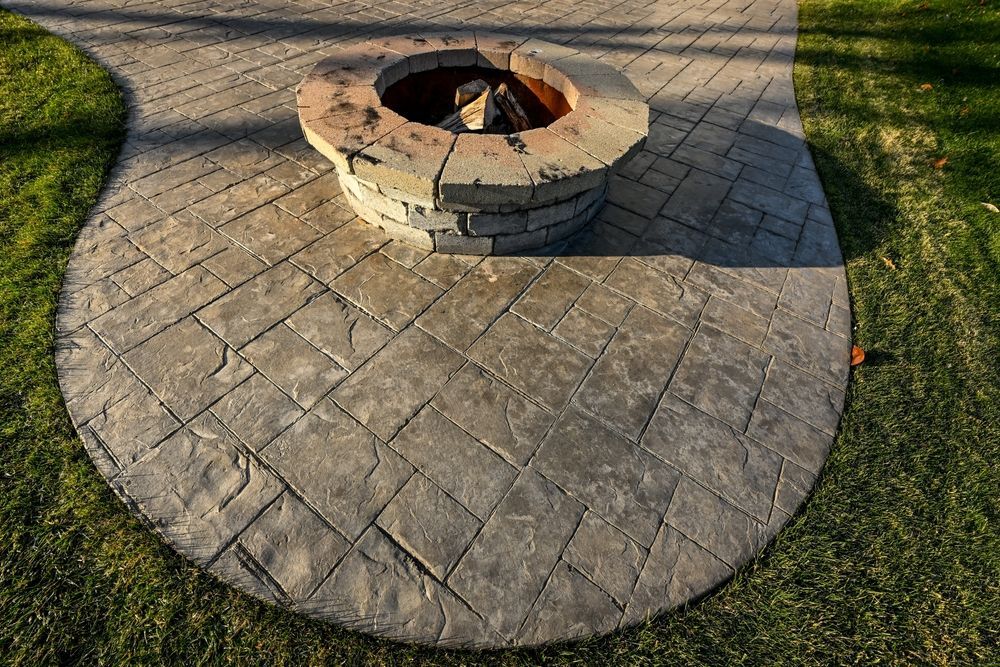
Stamped concrete applies texture molds and color during the finish stage, creating pattern imprints that replicate stone, brick, or custom designs. Ridgeline Contracting designs and installs stamped concrete with custom patterns and textures for residential driveways and commercial applications across Castle Rock, Parker, and Denver metro. These decorative finishes provide slip-resistant surfaces while maintaining the structural advantages of monolithic concrete pours that eliminate the joint failures common in segmented paver installations.
The process coordinates pattern selection with concrete mix design, because stamp timing depends on cure rate, which varies with temperature and humidity during installation. Proper sealing protects the finish from freeze-thaw damage that occurs when moisture penetrates decorative surfaces and expands during overnight temperature drops typical of Front Range climate patterns.
Request a design consultation that includes pattern samples and color options suited to your property's architectural style.
Why Stamping Technique Matters for Longevity
Texture molds are pressed into concrete at the stage when the surface accepts impressions without sticking to the mold material, typically two to six hours after finishing depending on weather conditions. Release agents applied before stamping prevent mold adhesion while adding secondary color tones that create depth and visual complexity in the finished pattern.
Once sealing cures, you notice defined texture with consistent pattern depth across the entire surface, along with color variation that mimics natural stone rather than appearing artificially uniform. The sealed finish sheds water immediately instead of darkening when wet, which indicates proper sealer penetration that prevents subsurface moisture accumulation during seasonal freeze-thaw cycles.
Control joints are integrated into pattern layouts so required stress relief cuts align with pattern seams, making them visually inconspicuous rather than interrupting decorative elements. Sealer reapplication occurs every two to four years for horizontal traffic surfaces, with frequency determined by UV exposure intensity and whether snow removal equipment contacts the surface during winter months.
Stamped concrete installation involves pattern coordination and sealing schedules that affect both immediate appearance and long-term maintenance requirements across Denver area properties.
What Property Owners Usually Ask
What stamped patterns hold up best in high-traffic areas?
Patterns with deeper relief and larger scale elements maintain definition better than fine textures because they tolerate surface wear without losing visual impact, and bold patterns disguise minor surface weathering that becomes visible on smooth or lightly textured finishes after several seasonal cycles.
How does stamped concrete compare to pavers for driveways?
Stamped concrete eliminates the joint sand migration and individual unit settling that causes pavers to become uneven, while providing similar aesthetic variety through pattern and color options, though pavers allow easier isolated repairs if damage occurs to specific sections rather than requiring larger patch areas.
When is the best season to install stamped concrete in Denver?
Spring and fall offer moderate temperatures that extend working time for stamping before concrete sets, while summer heat accelerates curing and requires faster work pace, and winter installation below 40 degrees risks surface defects because concrete cures too slowly and remains vulnerable to freeze damage before gaining strength.
What makes stamped concrete slip-resistant despite smooth appearance?
Texture molds create surface irregularities at multiple scales—large pattern relief plus fine texture within each stamped section—that provide traction even when wet, and broom finishing can be applied lightly before stamping to add additional micro-texture without eliminating pattern definition.
How is color applied to stamped concrete surfaces?
Integral color mixes throughout the concrete before pouring for base color, while release agents add secondary tones during stamping, and antiquing stains can be applied after stamping to accent pattern recesses, creating multi-dimensional color depth that enhances realistic stone or brick appearance.
Ridgeline Contracting coordinates pattern design with structural requirements and maintenance expectations. Arrange a site visit to review pattern options and discuss sealing schedules specific to your traffic patterns and exposure conditions.