Construction Sites Free of Obstacles and Debris
Lot Clearing in Douglas County for residential and commercial parcels ready for immediate development
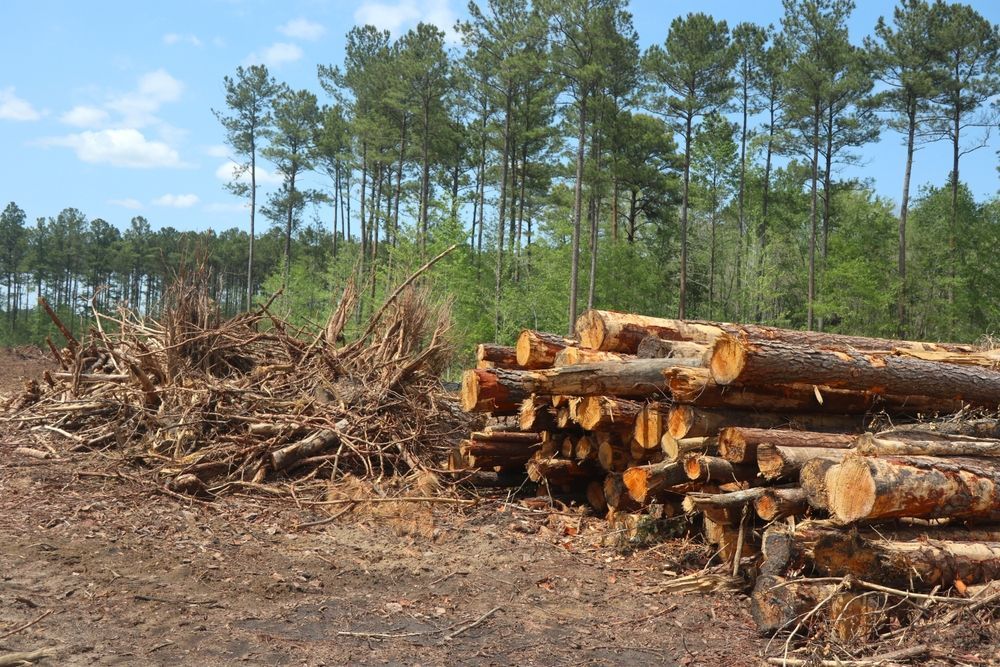
Residential and commercial lots in the Denver metro area often contain vegetation, construction debris, and existing utility lines that require careful assessment before building begins. Ridgeline Contracting removes obstacles and prepares lots across Castle Rock and Parker where mixed soil conditions and existing infrastructure demand selective clearing rather than wholesale vegetation removal. Lots cleared without utility line verification or soil preservation often face construction delays when hidden gas lines, water mains, or electrical conduits get damaged during clearing work.
Lot clearing includes selective vegetation removal that preserves desirable trees or landscape features while eliminating brush and weeds, debris cleanup that hauls away construction waste or dumped material from previous use, site assessment for existing utility lines both above and below ground, and final grading that creates a level, stable surface for construction equipment and foundation work. Smaller residential lots might clear in a single day with minimal equipment, while larger commercial sites require phased clearing that maintains access routes and preserves specific zones for future landscaping or parking areas.
Schedule a lot assessment to identify vegetation, utilities, and debris requiring removal before your construction timeline begins.
What Utility Locating Prevents During Clearing
Denver-area residential lots often have water lines, gas mains, electrical service, and communication cables already installed from previous development or neighboring properties, and clearing work that damages these utilities creates expensive repairs and project delays. Professional lot clearing begins with calling 811 for public utility locates and conducting private utility detection for irrigation lines, septic systems, or other infrastructure not tracked by public records. Ridgeline Contracting verifies utility locations before any equipment moves soil or vegetation, preventing accidental line strikes that shut down entire neighborhoods or require emergency repairs.
After lot clearing completes, your property shows bare ground with all unwanted vegetation and debris removed, utility lines marked and protected, and the site graded to support construction equipment without creating mud or soft spots during rainy weather. Any trees or landscape features designated for preservation remain undamaged with root zones protected from compaction, and access paths allow concrete trucks, material deliveries, and construction crews to reach all areas of the lot. The site drains properly without water pooling in low spots that would delay foundation or utility work.
Lot clearing creates construction-ready sites but does not include foundation excavation, utility installation, or building permits unless specifically included in project scope. Some jurisdictions require tree removal permits or erosion control measures depending on lot size and vegetation density.
Contractors and homeowners preparing lots for building projects frequently want clarity on timelines, utility concerns, and how clearing integrates with construction schedules.
Answers to Lot Clearing Questions in the Denver Metro
How long does residential lot clearing typically take in Douglas County?
Single-family lots with light vegetation and no significant debris often clear in one to two days, while larger lots with dense brush, multiple trees, or substantial debris removal may require three to five days depending on equipment access and utility complexity.
What happens if clearing work uncovers unexpected utilities or infrastructure?
Work stops immediately in that area, utilities get verified and marked, and clearing resumes with appropriate buffers and protection measures to prevent damage to lines or structures.
Why does selective clearing cost more than removing everything?
Preserving specific trees or landscape features requires careful equipment operation around designated areas, hand work to protect root zones, and additional time compared to clearing entire lots without preservation concerns.
When should lot clearing happen relative to building permit approval?
Clearing can proceed before permits are issued if the work doesn't involve grading changes or tree removal requiring specific approvals, but coordinating with your jurisdiction prevents compliance issues and project delays.
What's included in final grading for construction readiness in the Denver area?
Final grading creates level building pads, establishes drainage slopes away from foundation areas, and compacts disturbed soil to support equipment loads without rutting or settling during construction activity.
Ridgeline Contracting handles lot clearing from initial utility verification through final grading, coordinating with construction schedules and preservation requirements. Call (303) 419-5468 to discuss your lot's specific conditions and clearing timeline requirements for immediate development readiness.