Surfaces Designed for Year-Round Exposure
Seal Coating in Denver for asphalt driveways and parking areas subject to UV damage and moisture infiltration
Unprotected asphalt oxidizes under Front Range UV exposure, turning brittle and gray within two years of installation. Seal coating applied by Ridgeline Contracting creates a protective barrier against water infiltration, oxidation, and seasonal weather damage across Denver metro parking lots and driveways. You're essentially adding a sacrificial layer that absorbs wear instead of the asphalt binder holding your pavement together.
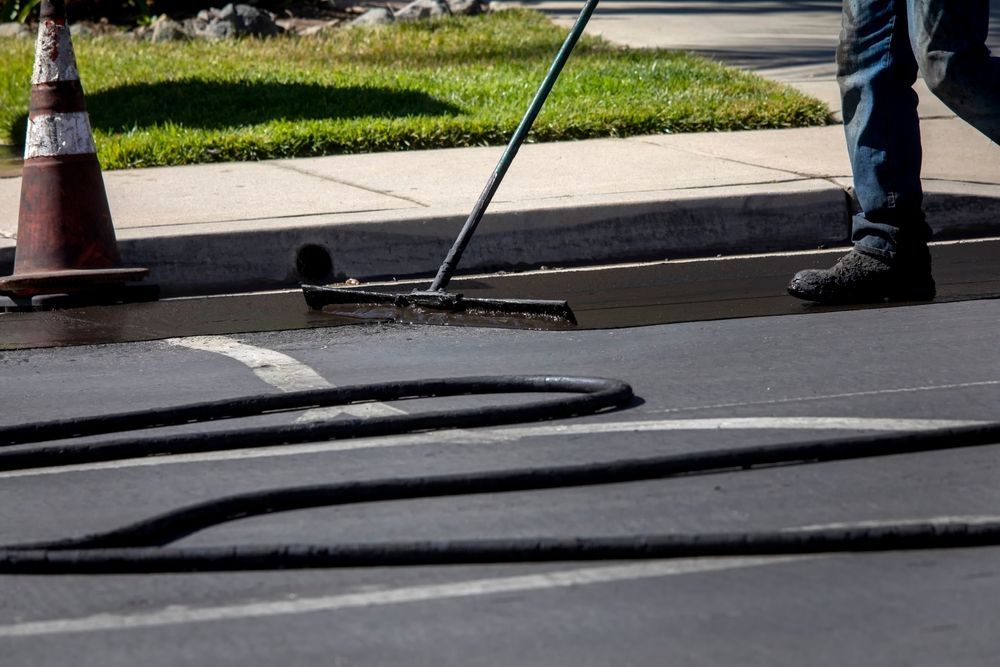
The process involves cleaning the surface, repairing cracks, applying a coal-tar or asphalt-based emulsion in even coats, and allowing proper cure time before traffic resumes. Freeze-thaw cycles in Castle Rock, Parker, and along the I-25 corridor make this maintenance step critical—sealed surfaces shed water instead of absorbing it, preventing the expansion damage that leads to cracking and pothole formation.
Arrange an on-site consultation to review your pavement's current condition and seal coating schedule.
Why Seal Coating Works for Colorado Climate
Seal coating isn't cosmetic—it's a functional barrier that addresses specific failure mechanisms. Asphalt binder breaks down when exposed to oxygen and UV radiation, losing flexibility and becoming prone to cracking. Water that penetrates oxidized pavement accelerates deterioration exponentially once freeze-thaw cycles begin.
Once seal coating cures, your asphalt returns to a deep black finish, water beads and runs off instead of soaking in, and surface flexibility improves enough to resist minor thermal movement without cracking. The coating fills small surface voids and evens out texture, which also makes snow removal easier during winter months. Oil and fuel spills clean up more readily from sealed surfaces compared to bare, porous asphalt.
Seal coating doesn't repair structural damage or base failures—it protects intact pavement. Properties with existing potholes or significant cracking need those issues addressed first, typically through excavation and hot-mix repair, before coating makes sense. Application timing matters; temperatures must stay above fifty degrees for several days to allow proper curing.
Seal coating schedules and application standards vary based on exposure and usage. These details help clarify what the service involves and when it fits into overall pavement maintenance.
Answers to Frequent Service Questions
What does seal coating actually protect against?
The coating blocks UV radiation that oxidizes asphalt binder, prevents water from penetrating surface pores, resists chemical damage from fuel and oil, and provides a wear layer that sacrifices itself before the underlying pavement degrades.
How often should asphalt be seal coated in Denver?
Most driveways and parking areas benefit from reapplication every two to three years depending on traffic volume and sun exposure, with high-use commercial surfaces requiring more frequent treatment than residential driveways.
When is the best time to apply seal coating?
Late spring through early fall provides optimal conditions—surface temperatures above fifty degrees, no rain in the forecast for forty-eight hours, and enough warmth for proper emulsion curing before overnight temperatures drop.
Why does new asphalt need to cure before seal coating?
Fresh asphalt contains oils that must volatilize over six to twelve months; coating too early traps those oils and prevents proper curing, leading to soft spots and premature coating failure.
What preparation happens before coating application in Parker or Elizabeth?
Surfaces get swept clean of debris, vegetation in cracks is removed, oil spots are treated with primer, and cracks wider than a quarter-inch are filled—coating won't bridge gaps or repair structural damage on its own.
Ridgeline Contracting offers seal coating as part of a
full asphalt maintenance service suite alongside pothole repair and resurfacing. Schedule a property evaluation to determine current pavement condition and appropriate coating intervals.