Complete Structure Removal for Redevelopment
Building demolition in Douglas County for residential and commercial properties requiring site clearance and hazmat coordination
Denver metro building codes require licensed contractors and proper waste management certification for any structure removal project. Ridgeline Contracting removes complete buildings in Castle Rock, Parker, and throughout the Denver metro area, managing every phase from structural assessment to final site clearance. When a property needs to transition from an aging or damaged building to a cleared lot ready for new construction or land reuse, the process involves more than equipment—it requires sequencing that protects adjacent structures, manages debris volume, and complies with Front Range environmental regulations.
Structural assessment comes first, identifying load-bearing elements and materials that require special handling. A hazmat survey is coordinated for buildings constructed before 1980, ensuring that asbestos, lead paint, or other regulated materials are removed by licensed specialists before general demolition begins. Selective demo sequencing then proceeds in phases—roof and upper floors first, then walls, and finally foundation elements—with debris hauled and recycled after each stage.
Request a property evaluation to determine structural considerations and debris management logistics for your site.
Why Sequenced Demolition Works for Large Structures
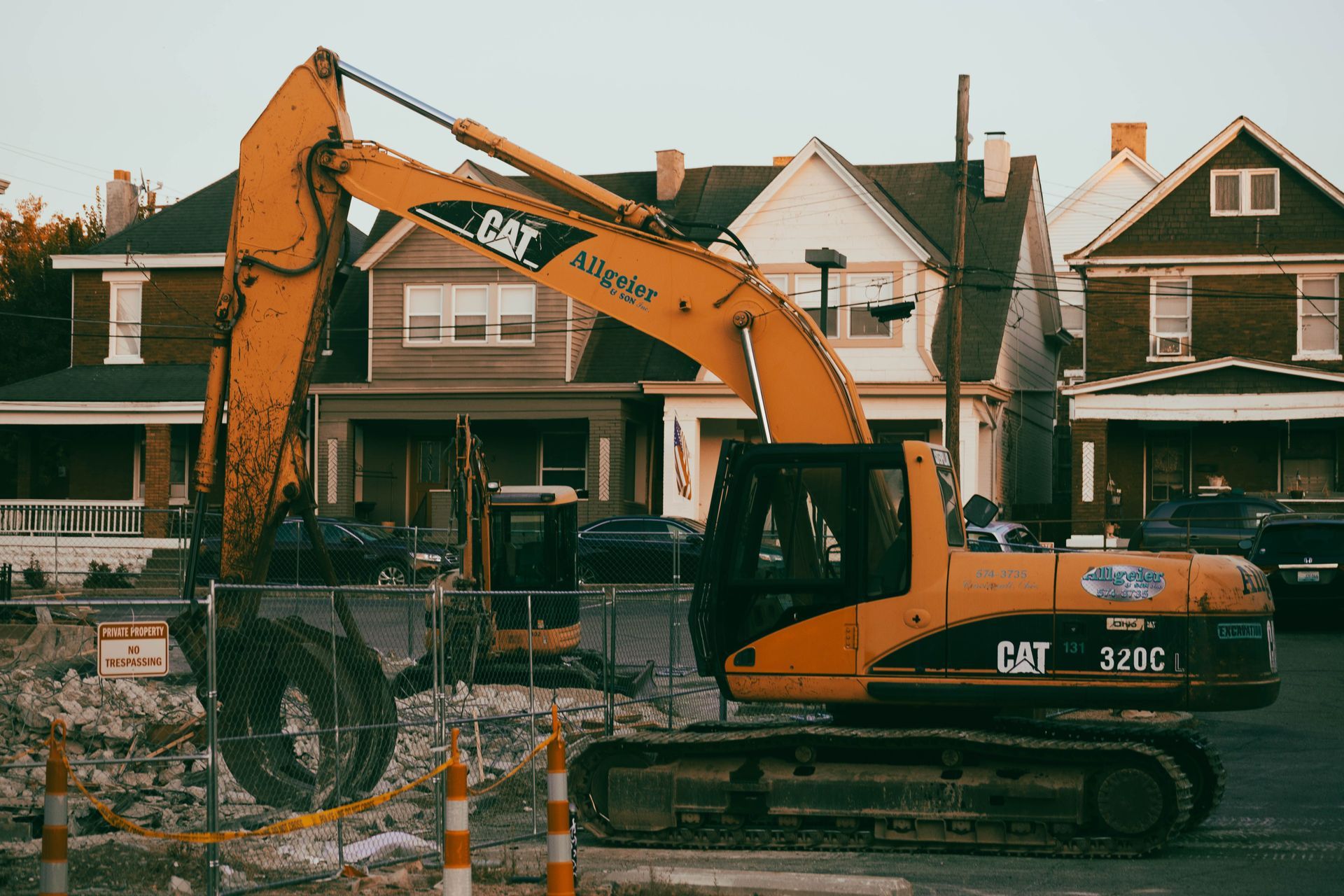
Building demolition requires careful planning because the order in which materials are removed affects site safety and debris handling efficiency. Ridgeline Contracting sequences work so that materials are sorted as they come down—metal roofing and framing are separated from concrete and masonry, which are routed to different recycling facilities. This segregation reduces landfill volume and meets Denver metro waste management requirements. Integrated site prep allows the cleared lot to transition immediately to grading or foundation work without delays.
Once the building is removed, the site is cleared of all debris, foundations are either exposed for inspection or demolished and removed, and the lot is graded to prevent drainage issues. What remains is a level, accessible parcel ready for surveying or construction layout, with utility connection points clearly marked and protected.
The service includes debris hauling, recycling coordination, and final site clearance but does not extend to new foundation excavation or utility installation. If underground tanks or septic systems are present, separate removal and inspection are required before final grading.
Projects in Castle Rock and Parker often involve questions about permitting, hazmat surveys, and post-demolition site conditions.
Answers to Frequent Service Questions
What's involved in a hazmat survey before building demolition?
A licensed inspector examines the structure for asbestos, lead paint, and other regulated materials, which must be removed by certified specialists before general demolition can proceed.
How is debris managed during building demolition in Denver?
Materials are sorted on-site into categories like metal, concrete, wood, and general waste, then hauled to recycling facilities or disposal sites that comply with local environmental regulations.
Why does building demolition require licensing in Douglas County?
Denver metro building codes mandate that contractors hold proper certifications to ensure safe structure removal, debris handling, and compliance with environmental waste management standards.
What happens to the foundation after a building is demolished?
Depending on the project plan, foundations are either exposed and left in place for inspection or broken up and removed, with the site graded to prepare for new construction.
How long does it take to demolish a residential building in the Denver metro area?
Most single-family homes are demolished in two to four days, but the timeline extends if hazmat abatement is required or if site access limits equipment movement.
Ridgeline Contracting coordinates permitting, hazmat surveys, and debris recycling for every project. Call (303) 419-5468 to schedule a structural assessment and discuss your redevelopment timeline.