Ground That Actually Supports What You Build
Site Preparation in Douglas County for construction projects requiring proper compaction, drainage planning, and soil stability
Colorado soil types and climate patterns determine whether your construction site will support structures long-term or settle unevenly after the first wet season. Ridgeline Contracting readies land for building, paving, or development through soil testing, debris removal, grade evaluation, and drainage planning across the Denver metro area and foothills. Sites prepared without accounting for clay expansion, sandy soil compaction rates, or seasonal water movement often show cracking foundations, sunken pavement, or drainage failures within two years of construction completion.
Site preparation involves testing soil composition to confirm it can bear the intended load, removing organic material and debris that would decompose and create voids, locating existing utilities before any digging begins, and establishing drainage pathways that direct water away from structures. Projects range from small EV charger pad installs requiring limited excavation and compaction to large-scale commercial grading where entire acres get leveled and stabilized. Each site gets assessed for how water currently moves across the property during rainstorms and snowmelt, which determines where grading changes or drainage systems prevent future ponding or erosion.
Request a soil and grade evaluation to identify specific preparation requirements before construction starts on your property.
Why Soil Testing Happens Before Any Dirt Moves
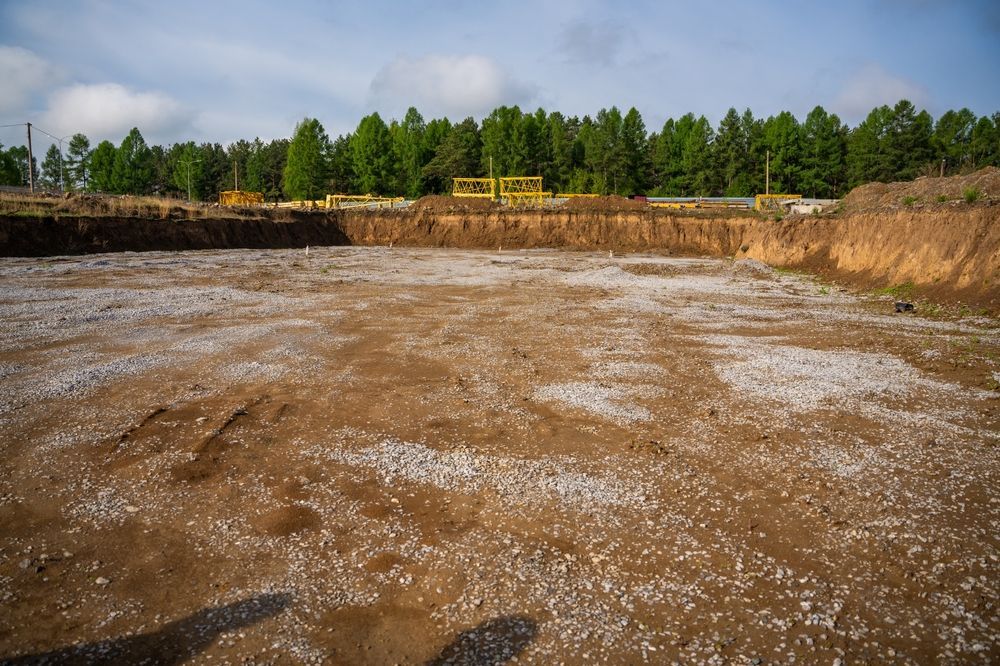
Professional site preparation starts with understanding what lies beneath the surface—whether you're working with stable decomposed granite, expansive clay that swells with moisture, or sandy loam that drains quickly but compacts poorly. Soil testing reveals bearing capacity, which determines how much weight the ground can support, and expansion potential, which predicts how much the soil will shift with seasonal moisture changes. Sites along the I-25 corridor and into foothills areas often contain mixed soil types within the same property, requiring different preparation strategies for different zones.
After preparation completes, your site shows consistent grade with no soft spots or depressions, all vegetation and root systems removed to prevent future settling, and drainage pathways clearly directing water away from building pads and paved areas. Utility lines are marked and protected, and any unsuitable soil has been removed and replaced with engineered fill that meets compaction specifications. The surface remains stable during rain events rather than turning muddy or developing ruts, and equipment can access the site without sinking or creating uneven areas.
Comprehensive site preparation accounts for utility integration and long-term stability, but does not include building permits, structural engineering stamps, or landscaping beyond rough grading. Some projects require geotechnical reports or engineered fill certificates depending on local jurisdiction requirements and project scale.
Contractors and property owners preparing land for construction typically want to understand timing, soil issues, and how preparation affects project success.
What to Know About Site Prep in the Denver Metro Area
What does soil testing actually measure before site prep begins?
Testing evaluates bearing capacity to confirm the ground can support structural loads, measures moisture content and expansion potential in clay soils, and identifies any contamination or unsuitable material requiring removal.
How do Front Range freeze-thaw cycles affect site preparation strategy?
Proper compaction and drainage planning prevent water from pooling and freezing beneath structures, which causes heaving and cracking during winter months when temperatures drop below freezing overnight and warm during the day.
Why does debris removal include root systems and organic material?
Roots and organic matter decompose over time, creating voids and soft spots beneath structures that lead to uneven settling, cracked foundations, and drainage problems years after construction completes.
When should utility locating happen during the site prep process?
Utility lines get located before any excavation or grading begins to prevent accidental damage to water, gas, electric, or communication lines already present on the property.
What's the difference between rough grading and final grading in Douglas County?
Rough grading establishes major slopes and drainage pathways for construction access and water management, while final grading fine-tunes elevations for landscaping, paving, and surface drainage after structures are built.
Ridgeline Contracting handles site preparation from initial soil assessment through final grade verification, working with both residential and commercial projects throughout the Denver metro area. Reach (303) 419-5468 to discuss soil conditions and preparation requirements specific to your construction timeline and property characteristics.