Driveways That Handle Drainage Requirements
Concrete Paving in Denver for driveways, parking areas, and equipment pads requiring freeze-thaw resistance
Concrete paving failures in Parker, Elizabeth, and Castle Rock typically trace back to inadequate slope or compromised base stability rather than concrete quality itself. When water pools on a slab or subsurface moisture undermines the aggregate base, freeze-thaw damage follows within seasons. Ridgeline Contracting pours and finishes concrete paving for driveways, parking areas, and pads across the Denver metro area, starting with site grading and base preparation designed to prevent settlement and maintain drainage over decades of seasonal moisture cycles.
The process includes grading to establish positive drainage slope, placing and compacting aggregate base material, selecting concrete mix with air entrainment suited to Colorado climate, pouring to specified thickness, screeding and leveling to maintain slope, finishing for surface texture and durability, and curing under controlled moisture conditions. Proper drainage keeps water moving off the surface and prevents saturation of the base layer where freeze expansion would crack the slab from below.
Request an on-site assessment to evaluate existing grade, soil stability, and drainage patterns.
What Concrete Paving Actually Accomplishes
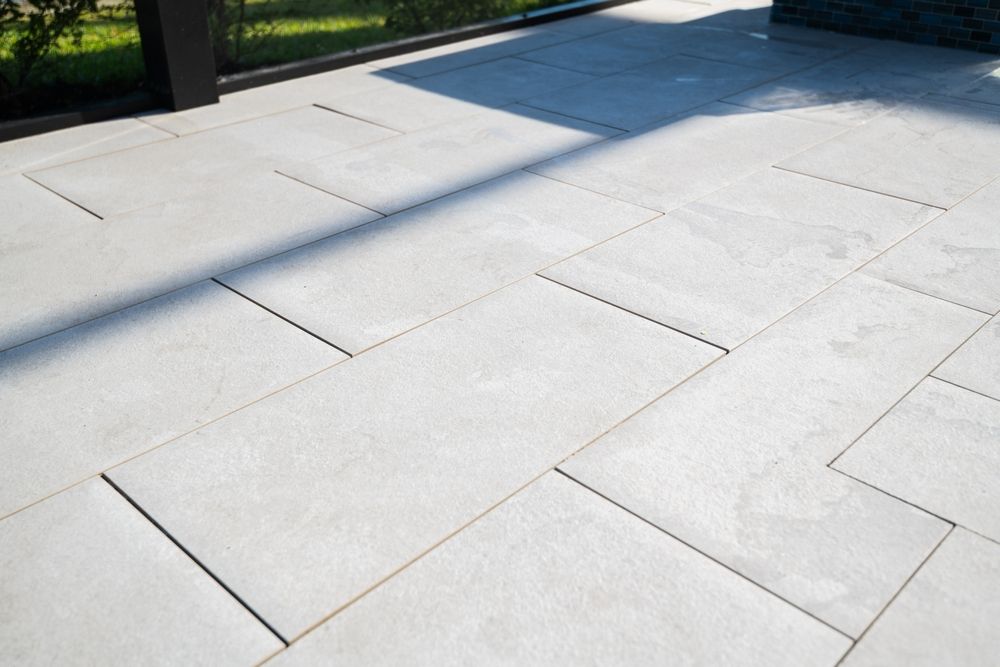
Concrete paving creates a load-bearing surface that distributes weight across a prepared base, preventing rutting and settling common with gravel or poorly compacted alternatives. The slab itself resists wear from traffic, weather exposure, and chemical contact when mix design includes appropriate air entrainment and water-cement ratios. Base preparation determines whether that slab remains level or cracks as soil beneath it shifts.
After installation, you'll notice water sheets across the surface toward drainage areas instead of pooling in depressions, the slab remains flush with adjacent sections without settlement, and the finished texture provides traction without trapping debris. Control joints placed during finishing direct hairline cracks to planned locations rather than allowing random cracking across the surface. Air-entrained concrete resists the surface spalling that occurs when water freezes in surface pores.
Specialized applications include EV charger pad installations requiring conduit placement and structural load capacity, retaining wall base preparation for level footing, and integration with existing structures. Seal coating often follows concrete work on adjacent asphalt surfaces. Timing matters—concrete needs temperatures above forty degrees for proper hydration and curing.
Concrete paving involves trade-offs between thickness, mix design, and base preparation based on intended use and soil conditions. These answers explain what drives those decisions.
What Property Owners Usually Ask
What thickness does a residential driveway require in Denver?
Four inches of air-entrained concrete over four to six inches of compacted aggregate base handles typical vehicle loads, but areas expecting heavy equipment or frequent freeze-thaw exposure benefit from increased thickness or additional reinforcement.
How does base preparation prevent settling and cracking?
Compacted aggregate base spreads point loads across a wider soil area, provides drainage to keep moisture away from the concrete, and creates a stable platform that doesn't shift with seasonal moisture changes—critical for expansive soils common in Parker and Castle Rock.
When is concrete paving better than asphalt for driveways?
Concrete lasts longer without resurfacing, handles heavier loads without rutting, resists fuel and oil staining better, and maintains appearance without seal coating, though initial installation costs run higher and repairs are more involved than asphalt patching.
Why does slope matter more than thickness for preventing damage?
Proper slope moves water off the surface before it can infiltrate joints or saturate the base—standing water eventually finds a way beneath the slab where freeze-thaw cycles create pressure that cracks concrete from below regardless of how thick the slab is.
What happens during the curing process after concrete is poured in Elizabeth or Castle Rock?
Concrete gains strength as it hydrates over several days; maintaining surface moisture through water spray or curing compounds prevents rapid drying that would cause surface cracking and reduced long-term durability, especially important in low-humidity Front Range conditions.
Ridgeline Contracting pairs concrete paving with site preparation and grading to address soil and drainage conditions specific to each property. Schedule a planning consultation to review mix specifications, finish options, and site-specific base requirements.