Slopes That Prevent Water Damage Year-Round
Grading Services in Douglas County for proper drainage, foundation stability, and landscape longevity through freeze-thaw seasons
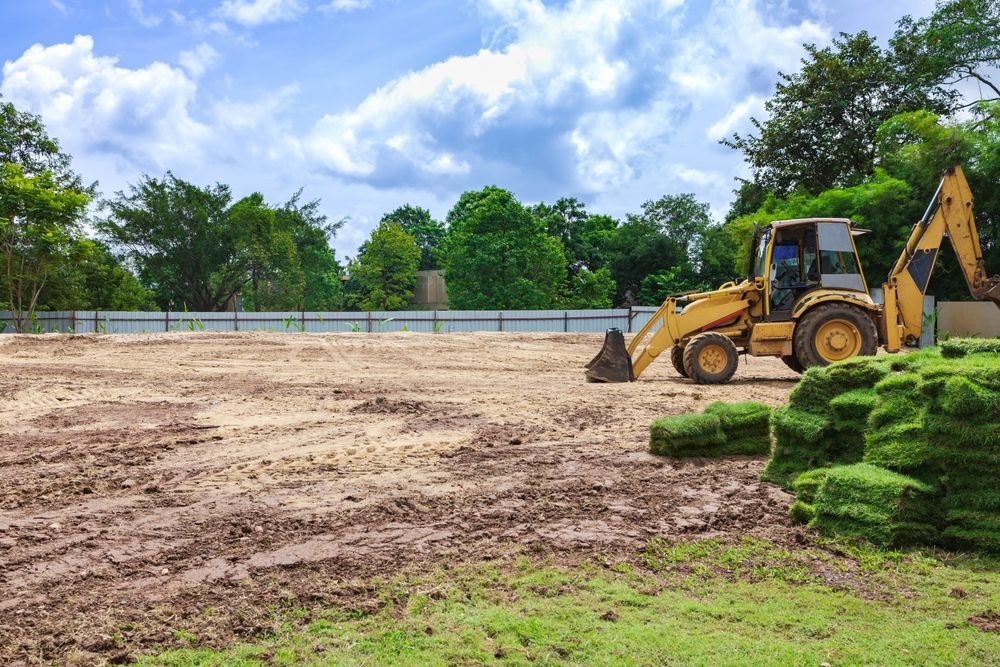
Precise grading establishes slopes and elevations that direct water away from structures during Colorado's intense spring runoff and summer monsoon rains, preventing foundation damage and landscape erosion that worsens with each freeze-thaw cycle. Ridgeline Contracting provides grading services throughout the I-25 corridor, Denver metro, and foothills areas where seasonal temperature swings cause poorly graded sites to develop drainage problems, foundation cracks, and pavement settling within the first year after construction. Properties graded without accounting for how snowmelt and rain move across the terrain often show water pooling against foundations, eroded landscape beds, and ice buildup near entries during winter months.
Grading involves site surveying to establish existing elevations and drainage patterns, cut-and-fill operations that move soil to create proper slopes, slope establishment that directs water toward drainage systems or away from structures, compaction verification to confirm soil stability under structural loads, and drainage line integration that connects surface grades with underground systems. Retaining wall base preparation gets included in comprehensive grading projects where elevation changes require structural support to prevent soil movement and erosion.
Request a site survey to evaluate current drainage patterns and determine grading adjustments needed for your property's specific conditions.
Why Colorado Freeze-Thaw Cycles Demand Exact Slopes
Colorado's daily temperature fluctuations during spring and fall create repeated freeze-thaw cycles where water pooled on flat or improperly graded surfaces freezes overnight, expands, and then melts the following afternoon, gradually shifting soil and cracking concrete or asphalt. Professional grading creates minimum slopes of two percent away from foundations and structures, ensuring water moves off surfaces before it can freeze and cause damage. Sites in foothills areas require additional attention to drainage line placement because steeper natural terrain concentrates water flow during storms, while properties along the I-25 corridor deal with flatter grades that need carefully planned drainage paths to prevent standing water.
Once grading work finishes, your property shows consistent slopes that direct water toward designated drainage areas, no depressions or low spots where water pools during rainstorms, and stable soil that doesn't shift or settle when construction equipment or heavy vehicles cross the site. Foundation areas remain dry after rain events rather than showing moisture stains or mud accumulation, and landscape zones drain properly without creating erosion channels or washing away topsoil. Driveways and parking areas shed water to edges rather than developing puddles that freeze into ice patches during winter.
Comprehensive grading establishes drainage and stability but does not include final landscaping, irrigation system installation, or decorative features unless specified in project scope. Some sites require engineered drainage systems or retaining walls beyond basic grading to manage water flow and elevation changes effectively.
Property owners and builders
planning site work commonly ask about slope requirements, drainage integration, and how grading affects long-term property performance.
Questions About Grading Projects in Douglas County
What does cut-and-fill operation mean in grading work?
Cut-and-fill involves removing soil from high areas and placing it in low areas to create desired elevations and slopes, minimizing the need to import or export material while achieving proper drainage grades.
How does compaction verification prevent future settling in the Denver metro?
Compaction testing confirms that soil has been compressed to specified density levels, preventing settling under structural loads or traffic that would create uneven surfaces and drainage problems over time.
Why do retaining walls require specific base preparation during grading?
Retaining wall bases need compacted, level foundations that prevent shifting or tilting as soil behind the wall settles and water moves through drainage systems integrated into the wall structure.
When does grading happen relative to other construction activities?
Rough grading occurs early in the project to establish access and major drainage patterns, while final grading happens after structures are built to create precise slopes for landscaping, paving, and surface drainage.
What slope percentage actually prevents water pooling near foundations?
Minimum two percent slope—dropping two inches per ten feet of horizontal distance—provides adequate drainage away from structures, with steeper slopes used in areas requiring faster water movement or where terrain naturally grades more aggressively.
Ridgeline Contracting evaluates site-specific drainage requirements and provides grading solutions that account for soil conditions, freeze-thaw impacts, and long-term stability throughout the Denver metro area and foothills. Contact (303) 419-5468 for a drainage assessment that addresses your property's elevation challenges and water management needs.