Repairs That Stop Further Deterioration
Concrete Repair in Denver for driveways, pads, and slabs showing cracks from freeze-thaw cycles
Cracks wider than one-quarter inch allow moisture infiltration that expands during freezing temperatures, breaking concrete apart from within the matrix. Ridgeline Contracting repairs damaged concrete surfaces and structural issues on driveways, pads, and slabs from Castle Rock through Denver metro to Parker. The repair process involves assessing crack size and movement patterns, cleaning damaged areas to remove loose material, applying filler or epoxy matched to crack type, finishing the surface flush, and sealing to prevent water reentry during seasonal moisture exposure.
You need this service when cracks begin showing aggregate beneath the surface layer, when edges along control joints start spalling, or when surface scaling creates rough patches that worsen each winter. Timely repair prevents structural deterioration that eventually requires full replacement rather than targeted fixes.
Schedule a damage assessment to determine whether repair or replacement makes sense for your specific concrete condition.
What Changes After Repair Completes
Assessment determines whether cracks result from settling, inadequate control joints, or freeze-thaw damage, because different causes require different repair approaches. Epoxy injection fills structural cracks that show movement, while polymer-modified fillers address surface cracks and spalling where moisture entered but structural integrity remains intact.
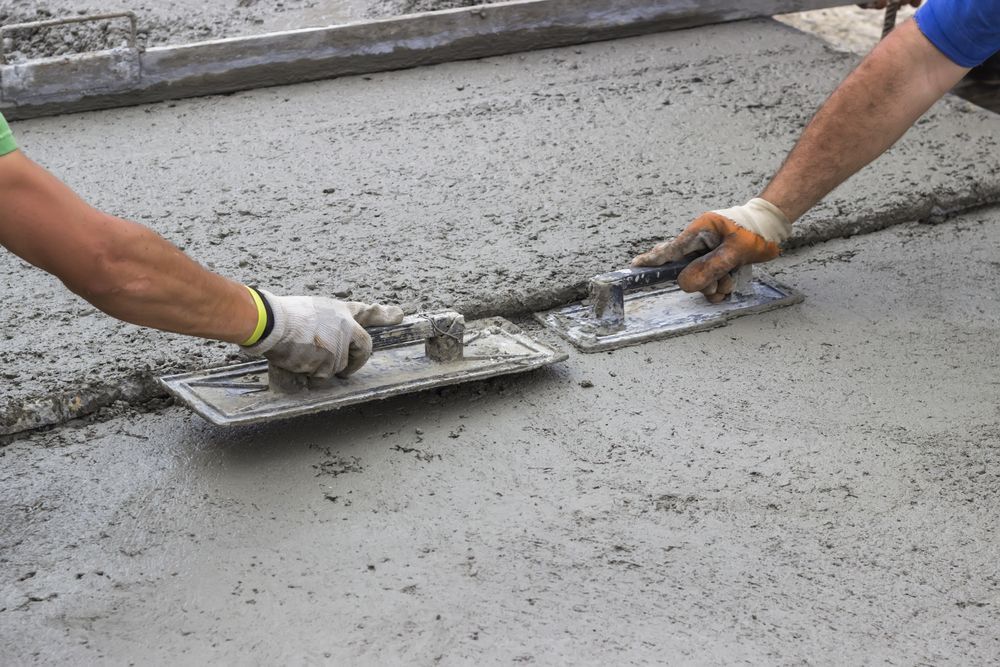
Once repairs cure and sealing is applied, water runs off the surface instead of seeping into the repaired areas. The sealed repairs stop the expansion cycle that made cracks grow wider each season, and the surface returns to functional use without the trip hazards or rough edges that developed as damage progressed.
Seal coating is paired with repair work to address the entire surface, not just the damaged sections, because unrepaired small cracks around the fixed areas will continue expanding if left exposed to moisture. Repairs extend concrete lifespan but don't reset the clock to new condition—existing wear patterns and minor surface degradation remain visible even after structural issues are addressed.
Concrete repair decisions depend on crack characteristics and underlying causes, particularly across Denver metro where freeze-thaw cycles drive most residential and commercial damage patterns.
Answers to Frequent Service Questions
What crack size can be repaired versus requiring replacement?
Cracks up to one inch wide and isolated damage affecting less than 30 percent of the slab typically qualify for repair, while extensive cracking networks, severe settling, or widespread surface scaling usually indicate replacement provides better long-term value than repeated repair attempts.
How does epoxy repair differ from standard crack filler?
Epoxy injections bond cracked sections back together and restore structural load capacity for moving cracks, while surface fillers simply seal dormant cracks against moisture without adding structural strength, making material selection critical based on whether cracks show ongoing movement or remain stable.
When should concrete be repaired rather than replaced entirely?
Repair makes sense when damage remains localized, the underlying base remains stable, and the surrounding concrete shows minimal wear, but replacement becomes more cost-effective when repairs would exceed 40 percent of replacement cost or when multiple repair cycles have already been completed.
What causes concrete to crack in Denver specifically?
Freeze-thaw cycling causes most damage as absorbed moisture expands when temperatures drop below freezing, often multiple times per day during spring and fall shoulder seasons, combined with clay soil movement that creates uneven support beneath slabs as moisture content changes seasonally.
How long do concrete repairs typically last?
Properly executed repairs with adequate sealing can extend concrete life by 10 to 15 years, though longevity depends on ongoing maintenance, continued base stability, and whether the original factors that caused damage—poor drainage, inadequate control joints, or settling issues—have been addressed alongside the surface repair.
Ridgeline Contracting evaluates crack patterns and base conditions before recommending repair or replacement. Request an evaluation that includes cost comparison for both approaches based on your current concrete condition.