Selective Removal That Preserves Structural Integrity
Interior demolition contractor in Douglas County for commercial and residential renovation projects requiring debris staging and controlled partial removal
Renovation preparation in the Front Range often involves removing drywall, flooring, and fixtures while leaving load-bearing walls and framing untouched. This selective approach requires different equipment and techniques than full-structure demolition, especially on urban lots where debris staging space is limited and adjacent rooms must remain protected. Ridgeline Contracting handles interior demolition throughout the Denver metro area and along the I-25 corridor, adapting debris management to match site-specific constraints. A seven-person crew supports projects ranging from small residential remodels to mid-scale commercial tenant improvements, managing tight job site access common in mountain-access properties and established neighborhoods.
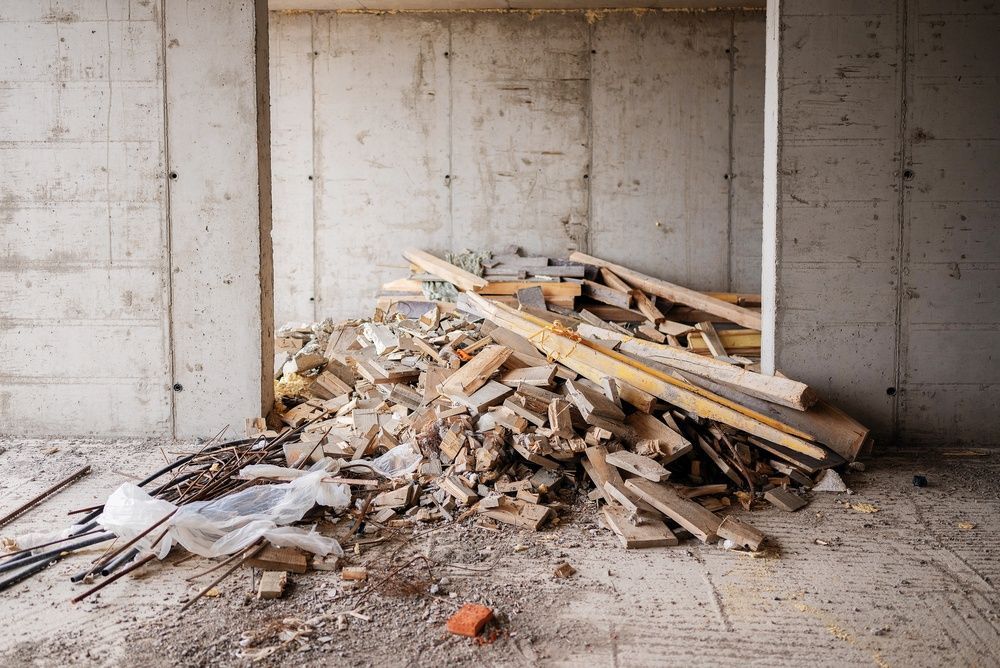
The work begins with selective interior removal—drywall is stripped back to studs, flooring is pulled up to expose subfloors, and fixtures are disconnected and hauled off-site. Debris is staged in designated areas to keep pathways clear and prevent damage to spaces not included in the demolition scope. Structural integrity is protected throughout the process, with load-bearing elements identified before any removal begins.
Schedule an on-site evaluation to review the scope of removal and confirm debris staging logistics for your property.
What Proper Interior Demolition Requires
Interior demolition in Denver metro properties requires careful planning because partial removal affects airflow, dust control, and access to utilities that remain active during renovation. Ridgeline Contracting uses site-specific debris staging to minimize disruption—materials are removed through designated exits, and common areas or occupied spaces are protected with barriers. Selective removal means that structural framing, electrical panels, and plumbing mains are left intact unless specifically included in the scope.
After interior demolition is complete, the space is cleared of all debris, surfaces are swept, and the structure is ready for the next phase of renovation. Walls are open to studs, subfloors are exposed, and mechanical systems are accessible for inspection or upgrade. You notice the transformation immediately—what was once a finished interior is now a blank framework ready for new design and installation work.
The service includes debris removal and staging but does not include new installation, electrical work, or plumbing modifications. If asbestos or lead paint is suspected in older buildings, testing and abatement must be completed before demolition begins.
Interior renovation projects in the Denver metro area often raise questions about selective removal, debris volume, and job site constraints.
Common Questions About This Service
What's the difference between interior and full-structure demolition?
Interior demolition removes finishes, fixtures, and non-structural walls while preserving the building's framing, roof, and exterior, whereas full-structure demolition removes the entire building down to the foundation.
How is debris managed during interior demolition in tight urban lots?
Materials are staged in designated areas on-site or loaded directly into trucks for immediate haul-off, keeping pathways clear and preventing debris from blocking access to other parts of the property.
Why does selective demolition require different equipment than full building removal?
Smaller tools and manual techniques are used to protect structural elements and avoid damaging areas not included in the scope, especially when load-bearing walls or active utilities are nearby.
How long does interior demolition take for a residential renovation in Douglas County?
Most single-room projects are completed in one to two days, while larger multi-room or commercial tenant improvements may take up to a week depending on debris volume and site access.
What should I expect the space to look like after interior demolition?
Walls are stripped to studs, flooring is removed to reveal subfloors, and fixtures are disconnected and hauled away, leaving a clean framework ready for inspection and new construction work.
Ridgeline Contracting adapts debris management and removal sequencing to match your renovation timeline and site constraints. Reach Ridgeline Contracting at (303) 419-5468 to discuss your interior demolition needs.