Foundation Work That Accounts for Freeze-Thaw Movement
Excavation Contractor in Douglas County for foundation installs, utility trenches, and drainage systems on challenging terrain
Ridgeline Contracting handles excavation projects across residential, commercial, and site development properties in Douglas County, where Front Range soil conditions and seasonal freeze-thaw cycles directly affect excavation depth requirements and drainage planning. Whether you're preparing for a foundation pour, running utility lines through rocky foothills terrain, or installing drainage systems that prevent water migration during spring thaw, the excavation approach determines whether structures remain stable through Colorado's temperature swings. Projects in Castle Rock, Parker, and Elizabeth often involve mixed soil composition that requires equipment-based site assessment before digging begins.
Excavation work involves removing soil to specified depths while accounting for soil type compatibility with the intended structure, whether that's a residential foundation, commercial building pad, or underground utility corridor. In areas along the I-25 corridor and into the foothills, soil conditions shift from clay-heavy compositions to decomposed granite and bedrock, which affects both excavation method and timeline. Proper depth calculation prevents frost heave damage during winter months when ground moisture freezes and expands beneath foundations.
Schedule an on-site assessment to evaluate soil conditions and excavation requirements for your specific project location.
excavation services
Site Preparation
Land Clearing
Lot Clearing
Grading Services
Acreage Clearing
What Equipment Selection Reveals About Soil Composition
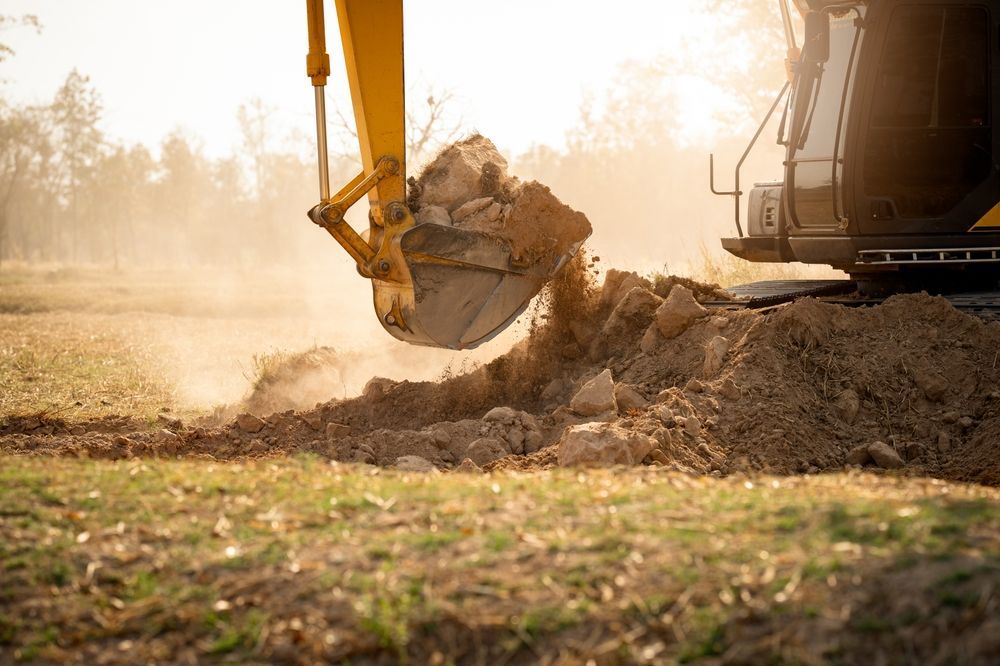
Full-scale excavation begins with determining whether your site contains workable soil, caliche layers, or bedrock that requires different machinery and approach. Equipment selection gets matched to soil density and project scope—a residential foundation in Parker with sandy loam soil moves faster than a commercial pad in Castle Rock where crews encounter decomposed granite two feet down. Utility trenching through foothills areas often uncovers rock that standard backhoes can't penetrate, requiring hydraulic hammers or alternative routing.
Once excavation reaches the specified depth and width, you'll notice the site reveals its drainage characteristics—whether water pools in low spots, how quickly snowmelt percolates through the soil, and where grading adjustments prevent future water intrusion near foundations. Properly excavated sites show clean, vertical walls in stable soil and stepped or sloped walls in loose material, with all utility lines located and marked before digging begins. Acreage clearing in foothills terrain also removes root systems and organic material that would decompose and create voids beneath structures over time.
Excavation work includes hauling away unsuitable material and confirming that bearing soil meets structural requirements, but does not include compaction testing or engineered fill placement unless specified in the project scope. Sites with high water tables or clay soils may require dewatering pumps during excavation or soil amendments before construction proceeds.
Property owners
preparing sites for construction or utility work often ask about soil conditions, equipment access, and how Denver's climate affects excavation timing.
Questions About Excavation Projects in Douglas County
What happens if excavation uncovers unexpected rock or hardpan?
Crews assess whether the material requires removal or can serve as stable bearing surface, then adjust equipment or excavation depth accordingly based on structural engineering requirements.
How does freeze-thaw cycling in Douglas County affect excavation depth?
Foundations and utility lines must sit below the frost line—typically 36 to 48 inches in this region—to prevent heaving and cracking caused by frozen ground expansion during winter months.
Why does soil type matter for excavation planning?
Clay soils expand when wet and shrink when dry, requiring wider excavation and controlled backfill, while sandy or gravelly soils drain faster but may need compaction verification to support structural loads.
When is the best time to schedule excavation work in the Denver metro area?
Spring through fall provides optimal conditions, though winter excavation remains possible when ground isn't frozen solid and equipment can access the site without creating mud or erosion issues.
What's included in equipment-based site assessment before digging begins?
Assessment identifies soil composition, locates existing utilities, evaluates drainage patterns, and determines whether rock or other obstacles will affect timeline or require specialized equipment.
Ridgeline Contracting evaluates site-specific conditions and provides detailed excavation plans based on actual soil composition and project requirements. Call (303) 419-5468 to arrange a site evaluation that accounts for terrain and drainage considerations unique to your property location.