Overlay Solutions When Pavement Shows Age
Asphalt Resurfacing in Douglas County for worn parking lots and driveways requiring surface layer replacement
Asphalt oxidation from UV exposure and freeze-thaw damage creates surface cracking, fading, and minor low spots that make resurfacing cost-effective compared to full removal and replacement, extending pavement life ten or more years. Ridgeline Contracting overlays worn asphalt with a new hot-mix surface layer across Castle Rock, Douglas County, Parker, and the I-25 corridor, handling surface prep, optional milling, tack coat application, and compaction. The company pairs resurfacing with seal coating for extended maintenance and coordinates drainage corrections when edge deterioration or ponding water indicates base-level issues.
Asphalt resurfacing begins with surface prep to remove loose material, debris, and vegetation from cracks or edges. Milling removes a thin layer of old asphalt if the existing surface is too high relative to curbs, garage floors, or adjacent concrete. A tack coat bonds the new layer to the old, and hot-mix asphalt is placed at one-and-a-half to two inches thick, then compacted with a vibratory roller. Edge repair addresses areas where the original pavement has crumbled or separated from curbs.
Schedule a site assessment to determine whether your current pavement condition supports resurfacing or requires full-depth replacement due to base failure.
Why Resurfacing Works for Aging Asphalt
Resurfacing makes sense when the base layer remains stable but the surface shows oxidation, minor cracking, or cosmetic wear without structural failure. Colorado's high-elevation UV exposure accelerates asphalt aging, turning surfaces gray and brittle within seven to ten years even when the base performs well. Ridgeline Contracting evaluates whether cracking patterns indicate surface wear or deeper base problems—alligator cracking and large potholes signal base failure requiring excavation, while surface cracks and fading respond well to overlay. Proper crown is maintained or corrected during resurfacing to direct water off the pavement rather than allowing it to pool and infiltrate through cracks.
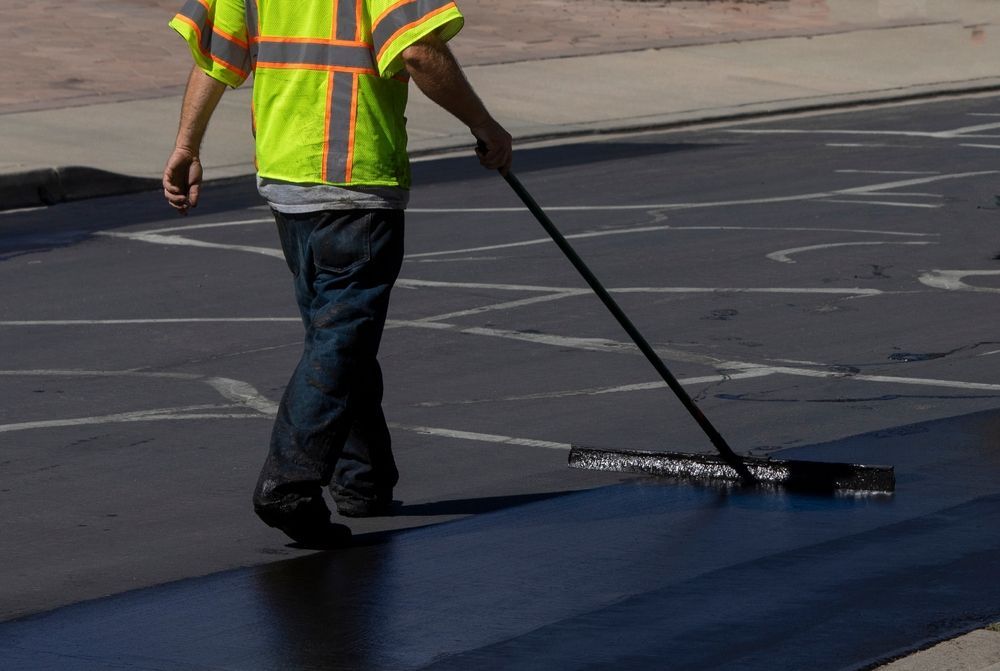
After resurfacing, your driveway or parking lot shows a dark, uniform surface free from fading, cracks, and rough texture. Vehicles drive smoothly without rattling over uneven patches, and water sheds to edges rather than standing in low spots. Striping, if needed, is reapplied once the new asphalt cures, restoring clear parking space boundaries and ADA-compliant markings.
This service often includes seal coating applied six months to a year after resurfacing, once the new asphalt fully cures. Seal coat fills microscopic surface voids and slows oxidation, adding three to five years to the overlay's lifespan and reducing long-term maintenance costs.
Asphalt resurfacing decisions involve understanding when overlay is appropriate versus full replacement, particularly for property owners in Douglas County evaluating cost and longevity trade-offs.
Questions Before Starting Your Project
Who can resurface my asphalt driveway in Denver?
Ridgeline Contracting provides asphalt resurfacing across the Denver metro, handling surface prep, milling when needed, and hot-mix overlay with proper compaction to extend pavement life without full removal and replacement costs.
How much does asphalt resurfacing cost in Denver Colorado?
Resurfacing costs roughly half to two-thirds the price of full-depth replacement because excavation and base work are eliminated. Cost depends on milling requirements, edge repair extent, and whether drainage corrections are included to address water pooling issues.
Is asphalt resurfacing worth it compared to repaving in Denver?
Resurfacing works well when the base remains intact and surface damage is limited to oxidation, minor cracking, and cosmetic wear. Full repaving is necessary when alligator cracking, widespread potholes, or edge collapse indicate base failure that overlay cannot correct.
What is milling and do I need it before resurfacing?
Milling removes a thin layer of old asphalt to lower the surface height, preventing the overlay from creating a trip hazard or drainage issue at garage thresholds, curbs, or transitions to concrete walkways. Not all resurfacing projects require milling—it depends on existing pavement height relative to adjacent surfaces.
How long does resurfaced asphalt last in Castle Rock and Parker?
Overlays typically add ten to fifteen years of life when paired with seal coating and routine crack filling. Performance depends on maintaining proper drainage and avoiding heavy concentrated loads that the thinner overlay may not support as well as full-depth pavement.
Ridgeline Contracting evaluates whether your pavement's base condition supports resurfacing or requires more extensive repair, providing transparent recommendations based on cracking patterns, edge stability, and drainage performance. Contact the company to review your current surface condition and establish whether overlay or full replacement delivers better long-term value.