Parking Lots and Driveways for Long-Term Use
Asphalt Paving in Douglas County for new parking lot, driveway, and road surface installation
New asphalt surfaces require excavation, base course grading, hot-mix placement at specified thickness, and rolling compaction to handle vehicle loads without premature cracking or settling. High-elevation Colorado sites demand temperature-controlled pour windows because hot-mix cools faster than at lower altitudes, and freeze-thaw cycles make proper base drainage critical to prevent water infiltration and expansion damage. Ridgeline Contracting installs new asphalt parking lots, driveways, and access roads across Douglas County and the Denver metro area, with integrated site prep and excavation expertise that ensures subgrade readiness before paving begins. A seven-person crew handles multi-day pours for commercial and residential projects.
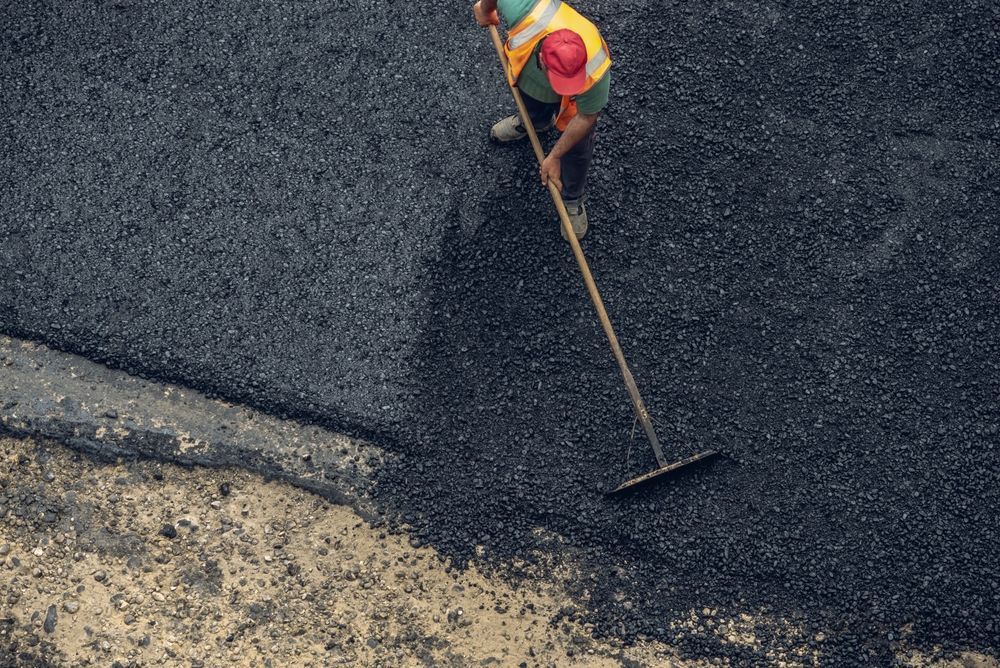
Asphalt paving starts with excavating existing material to the depth required for base and asphalt layers combined, followed by grading a crushed stone base course to proper crown for drainage. Hot-mix asphalt is placed at thickness appropriate to expected traffic—two inches for light residential driveways, three to four inches for commercial parking lots and delivery truck access. Vibratory rollers compact each layer to eliminate voids that trap water.
Request a detailed estimate based on your site's current grade, soil type, and drainage requirements to establish excavation depth and paving thickness.
What You Notice Once Paving Is Finished
Asphalt installation involves grading the base course to a center crown or edge slope so water runs to perimeter drains rather than pooling on the surface. Proper compaction prevents settling under vehicle weight, which causes low spots and eventual cracking. Crews finish edges with a clean taper or transition to existing concrete, gravel, or landscaping, and coordinate striping installation once the asphalt cures for 24 to 48 hours. Foothills properties and sites in Elizabeth or Parker may require additional base thickness where expansive soils or seasonal moisture movement affects subgrade stability.
After paving, your property shows smooth, uniformly crowned asphalt that sheds water without ponding, with clearly defined edges and transitions to adjacent surfaces. Vehicles drive over the surface without bouncing, scraping, or navigating uneven patches, and delivery trucks or equipment access loading zones without bottoming out. The dark, consistent appearance indicates fresh hot-mix free from oxidation or surface wear.
This service includes site grading and excavation as part of the paving process, not as separate bids. Proper drainage design prevents water from undermining the base layer, which is the most common cause of asphalt failure in Colorado's freeze-thaw environment.
New asphalt paving raises questions about installation steps, cost factors, and maintenance timing for property owners in Douglas County planning parking lot or driveway projects.
What Property Owners Usually Ask
Who does professional asphalt paving in Denver Colorado?
Ridgeline Contracting handles excavation, base grading, hot-mix placement, and compaction as a single-source service across the Denver metro, foothills, I-25 corridor, Elizabeth, and Parker, eliminating coordination gaps between site prep and paving subcontractors.
How much does asphalt paving cost per square foot in Denver?
Cost depends on asphalt thickness, base depth, excavation volume, and site access for equipment. Residential driveways with two-inch asphalt over four inches of base cost less per square foot than commercial lots requiring four-inch asphalt over six inches of crushed stone for heavy truck traffic.
What is the best asphalt paving company near Denver?
Companies that control both excavation and paving ensure the base is graded correctly before hot-mix placement, which prevents drainage failures and premature cracking. Look for contractors who explain crown design, compaction methods, and temperature requirements specific to Colorado's elevation.
How thick should asphalt be for a parking lot?
Standard parking lots require three inches of compacted asphalt over a six-inch crushed stone base. Loading zones, dumpster pads, and areas with frequent heavy truck traffic need four inches of asphalt to prevent rutting and surface deformation under repeated load cycles.
When can I drive on new asphalt after paving?
Light vehicle traffic is safe after 24 hours in warm weather, though full curing takes several months. Avoid parking heavy equipment or turning wheels sharply while stationary for the first week, as fresh asphalt remains slightly pliable and can scuff under concentrated loads.
Ridgeline Contracting coordinates paving schedules to minimize disruption for commercial properties and ensures residential driveways connect smoothly to existing street surfaces or garage approaches. Arrange an on-site consultation to review foundation requirements, drainage design, and timeline expectations for your specific paving project.