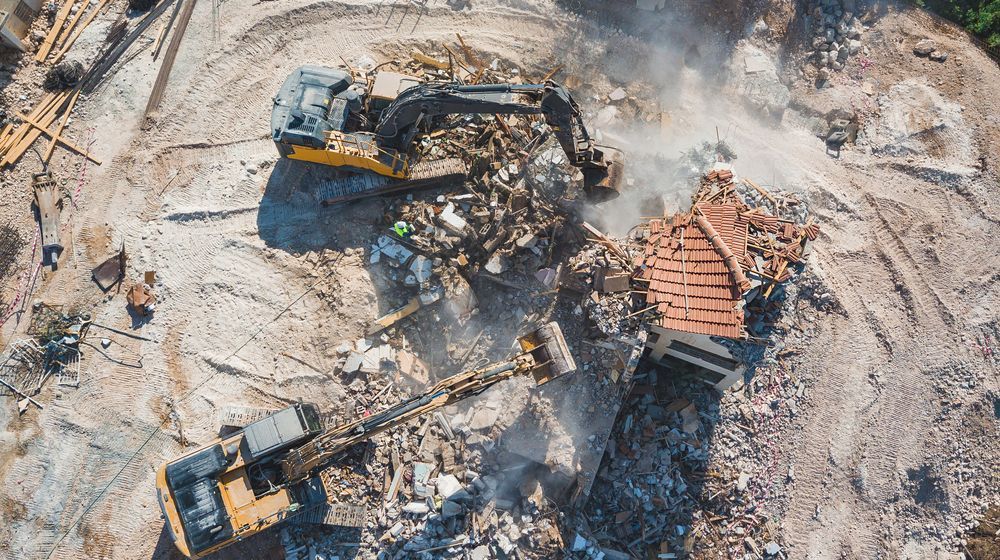
Structures Removed with Debris Management Coordination
Demolition contractor services in Douglas County for residential, commercial, and interior projects requiring utility coordination and environmental compliance
Front Range demolition work involves more than equipment and labor—it requires coordination with utility providers and adherence to Denver metro environmental regulations that govern debris disposal and hazardous material handling. A pre-demo assessment identifies what needs to be disconnected, what materials must be separated for recycling, and what permitting applies to the structure being removed. Ridgeline Contracting manages this process for projects in Castle Rock, Parker, Elizabeth, and throughout the Denver metro area, handling residential buildings, commercial structures, and interior-only demolition where selective removal preserves surrounding spaces.
The process starts with utility disconnection coordination—electric, gas, water, and sewer lines are shut off and capped before any structural work begins. Selective deconstruction follows, with materials sorted as they're removed so that concrete, metal, and wood are routed to appropriate recycling facilities. Debris removal happens in phases, keeping the site clear and accessible as demolition progresses.
Arrange an on-site consultation to review utility access and debris staging requirements for your property.
Demolition Contractor
Building Demolition
Interior Demolition
Concrete Demolition
Debris Removal
Storm Debris Cleanup
How Demolition Addresses Site Preparation Needs
Demolition work in the Denver metro area must account for Colorado's environmental regulations, which require debris segregation and proper disposal of materials like asbestos or lead-based paint. Ridgeline Contracting coordinates hazmat surveys when structures were built before 1980, ensuring that any regulated materials are identified and handled by licensed specialists before general demolition begins. Selective deconstruction allows salvageable materials to be removed intact, reducing waste volume and disposal costs.
After demolition is complete, the site is cleared of all debris, foundations are exposed or removed depending on project plans, and the lot is graded for immediate redevelopment or land reuse. You notice the difference in site accessibility—obstructions are gone, the ground is level, and utility connection points are clearly marked for the next contractor.
The service includes debris hauling and recycling coordination but does not include new construction or landscaping. If the project involves a structure with underground storage tanks or septic systems, separate removal and inspection may be required.
Demolition projects in the Front Range often involve questions about coordination, costs, and regulatory requirements.
What Property Owners Usually Ask
What's the first step in a building demolition project?
A pre-demo assessment reviews the structure's condition, identifies utility disconnection points, and determines whether a hazmat survey is required based on the building's age and materials.
How much does demolition cost in Denver Colorado?
Cost depends on structure size, material type, site access, and debris disposal requirements, with larger commercial buildings requiring more equipment and labor than single-family residential projects.
Why is utility coordination necessary before demolition?
Electric, gas, and water lines must be shut off and capped to prevent safety hazards and ensure that disconnected services don't interfere with site clearing or future construction.
What happens to debris after a building is demolished in Douglas County?
Materials are sorted on-site and routed to recycling facilities or disposal sites that comply with Denver metro environmental regulations for construction waste.
How long does a typical demolition project take?
Residential structures are often completed in one to three days, while commercial buildings or projects requiring hazmat abatement may take longer depending on size and regulatory compliance steps.
Ridgeline Contracting handles permitting coordination and debris management from start to finish. Contact (303) 419-5468 to discuss your project timeline and site-specific requirements.