Acreage Ready for Development or Use
Land Clearing in Douglas County for undeveloped properties requiring vegetation removal, brush clearing, and terrain management
Undeveloped acreage in Castle Rock, Parker, and Elizabeth often contains native vegetation, brush, and debris that must be removed before construction, fencing, or land use begins. Ridgeline Contracting clears properties ranging from single residential lots to multi-acre commercial sites across Front Range locations where understanding native plant root systems and soil preservation prevents erosion and maintains site stability. Clearing land without accounting for topsoil retention or drainage patterns often results in bare sites that erode during spring runoff or monsoon rains, losing valuable soil and creating sediment control issues.
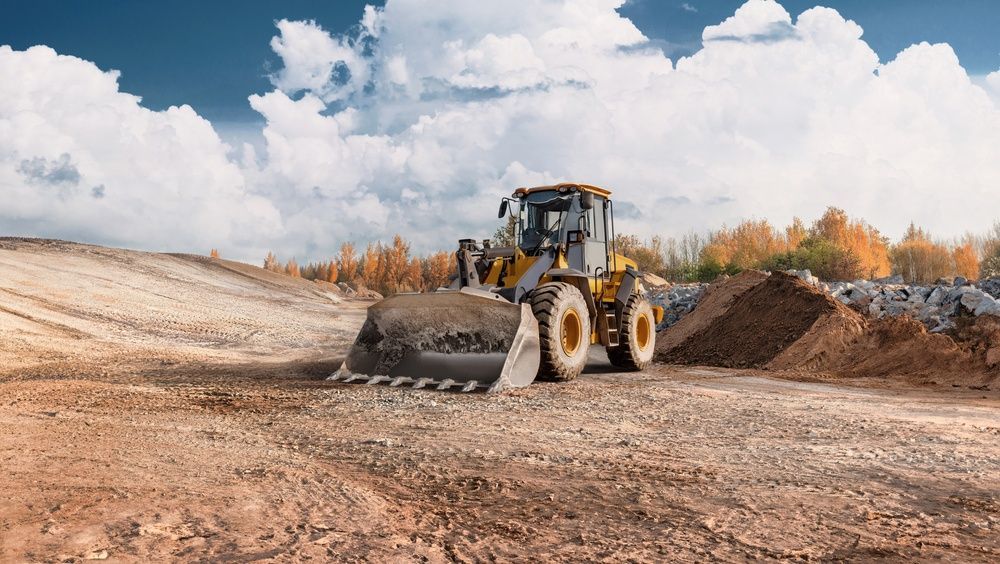
Land clearing involves selective vegetation removal based on what stays and what goes, brush clearing that removes scrub oak, chokecherry, and other native plants down to root level, debris hauling to remove all cleared material from the site, and site grading to establish usable terrain. Equipment selection depends on acreage size and terrain difficulty—residential lots in Parker might require a single day with a small excavator and chipper, while foothills properties with dense scrub oak and rocky ground need larger machinery and multiple passes to clear vegetation without damaging topsoil or creating erosion channels.
Arrange a site walkthrough to evaluate vegetation density, terrain challenges, and clearing scope for your specific acreage.
How Native Vegetation Affects Clearing Strategy
Front Range properties support a mix of grasses, scrub oak, serviceberry, chokecherry, and juniper, each with different root structures that affect removal method and timeline. Scrub oak develops extensive root systems that resprout if not removed completely, requiring excavation or grinding rather than simple cutting. Rocky terrain common in foothills areas limits equipment access and requires selective clearing paths to avoid creating erosion gullies on slopes. Properties along the I-25 corridor typically show easier access and gentler grades, while Elizabeth-area acreage often includes steeper terrain and denser vegetation that takes longer to clear.
Once clearing finishes, your property shows bare ground free of vegetation and debris, with topsoil preserved where possible and drainage pathways maintained to prevent erosion during rainstorms. Root systems are removed or ground down to prevent regrowth, and the site is graded to create usable, stable terrain ready for construction, fencing, or landscaping. Larger properties show cleared access roads or paths that allow equipment and vehicles to reach different areas without creating ruts or damaging uncleared zones.
Comprehensive land clearing removes vegetation and debris but does not include tree removal requiring arborist services, stump grinding in all cases, or final landscaping and seeding. Some properties require erosion control measures or permits depending on acreage size, slope, and proximity to waterways or drainage corridors.
Property owners preparing acreage for development or use often ask about vegetation types, equipment needs, and how Colorado's climate affects clearing work.
Common Questions About Clearing Land in Douglas County
What's the difference between land clearing and lot clearing in the Denver area?
Land clearing typically involves larger acreage with native vegetation and challenging terrain, while lot clearing focuses on residential or commercial parcels already platted for development with less dense vegetation.
How does scrub oak regrowth affect clearing timelines and costs?
Scrub oak roots must be excavated or ground out completely to prevent resprouting, which requires more intensive equipment work than simply cutting vegetation at ground level.
Why does terrain difficulty matter for equipment selection and project duration?
Steep slopes, rocky ground, and limited access points require specialized equipment and slower clearing progress to avoid creating erosion issues or damaging equipment on unstable terrain.
When is the best season to clear land in Douglas County?
Late fall through early spring provides optimal conditions when vegetation is dormant and soil moisture supports equipment access without creating excessive rutting or mud, though summer clearing remains possible with proper planning.
What happens to cleared vegetation and debris after removal?
Material gets hauled off-site to designated disposal or recycling facilities, with some vegetation chipped for mulch depending on project scope and client preference.
Ridgeline Contracting evaluates acreage characteristics and provides clearing plans based on vegetation density, terrain, and intended land use. Contact (303) 419-5468 to schedule a property assessment that accounts for site-specific clearing challenges and equipment requirements.