Driveways That Survive Colorado Freeze Cycles
Asphalt Repair in Denver for potholes, cracks, and surface deterioration caused by winter weather
Colorado's winter cycles don't just crack asphalt—they accelerate the damage exponentially once water infiltrates the base. Ridgeline Contracting repairs potholes, surface deterioration, and cracks in existing asphalt across the Denver metro area, targeting the damage before it spreads into the subgrade. When you catch a crack early in this climate, you're preventing next season's pothole.
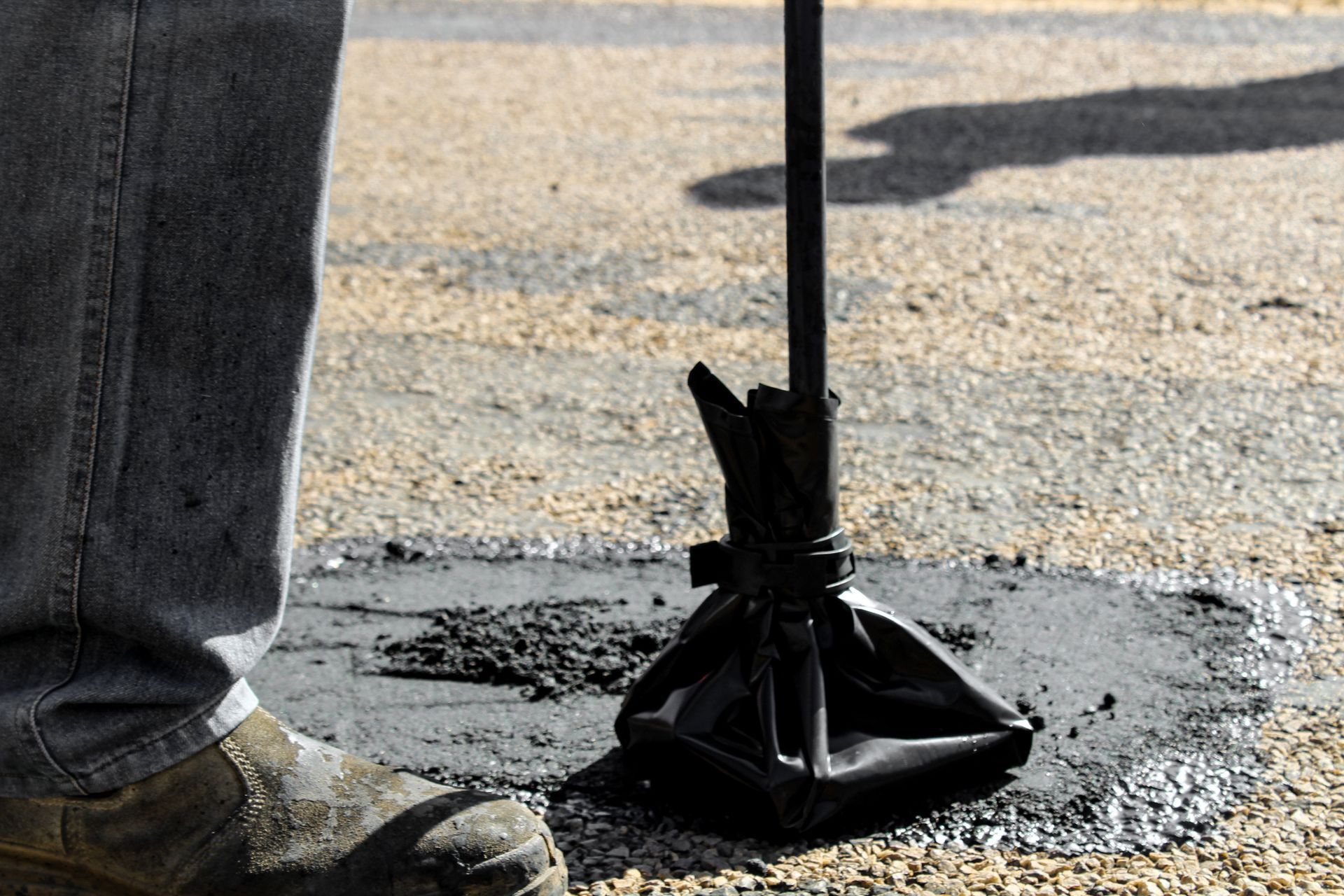
The repair process involves excavating damaged sections, removing loose debris down to stable material, backfilling with hot-mix asphalt, compacting to match surrounding grade, and leveling to restore surface integrity. For smaller damage, crack-sealing with tack coat ensures bond between old and new material. Regional soil conditions in the I-25 corridor and foothills areas affect how quickly subgrade erosion undermines pavement, making timely intervention critical.
Schedule a property evaluation to identify specific damage patterns and underlying base conditions.
What Proper Asphalt Repair Requires
Effective asphalt repair starts with understanding what caused the failure in the first place. Water infiltration through cracks expands during freeze cycles, breaking apart both the asphalt surface and the aggregate base beneath it. If the base has eroded or shifted, simply filling the pothole without addressing subgrade stability means the repair will fail within months.
After Ridgeline Contracting completes a repair, you'll notice the surface sits flush with surrounding pavement, water no longer pools in depressions, and the patched area resists cracking during temperature swings. The tack coat application bonds new material to existing edges, preventing separation that would allow moisture back into the repair zone. Compaction eliminates voids that would otherwise compress under traffic and reopen the damage.
Repairs don't include full resurfacing or seal coating, though those services often make sense after addressing structural damage. The scope depends on how deeply the freeze-thaw cycles have compromised the base and whether adjacent sections show similar stress patterns.
Asphalt damage in Denver follows predictable patterns tied to seasonal moisture and temperature extremes. These answers clarify what to expect during repair work and how local conditions shape the approach.
What Property Owners Usually Ask
How does freeze-thaw damage actually create potholes?
Water enters small cracks, freezes and expands overnight, then thaws during the day—each cycle widens the crack and breaks apart more material until a section of surface collapses into a pothole, especially where subgrade has eroded beneath the pavement.
What happens during pothole excavation and backfill?
Damaged asphalt gets cut back to stable edges, loose debris and compromised base material are removed, new aggregate base is added if needed, hot-mix asphalt is placed in layers, and each layer is compacted to prevent settling under traffic.
When should cracks be sealed instead of patched?
Cracks narrower than a quarter-inch and not yet showing edge deterioration can be sealed with rubberized filler and tack coat, but once edges have broken apart or water has reached the base layer, excavation and hot-mix repair become necessary.
Why does damage along the I-25 corridor spread faster?
High traffic volumes and road salt accelerate surface wear, while soil conditions in the corridor allow more moisture movement beneath pavement, leading to faster base erosion once cracks provide water access.
How long does a properly compacted repair last in Denver?
Repairs completed with adequate base prep and proper compaction typically match the surrounding pavement lifespan, but unrepaired adjacent cracks will continue spreading damage regardless of how well one section is fixed.
Ridgeline Contracting handles urgent
pothole repairs and understands how regional soil conditions affect long-term pavement stability. Request a detailed estimate based on current damage extent and base condition.