Surfaces Built to Drain and Last
Concrete Finishing in Denver for pads, driveways, and commercial slabs requiring proper slope and traction
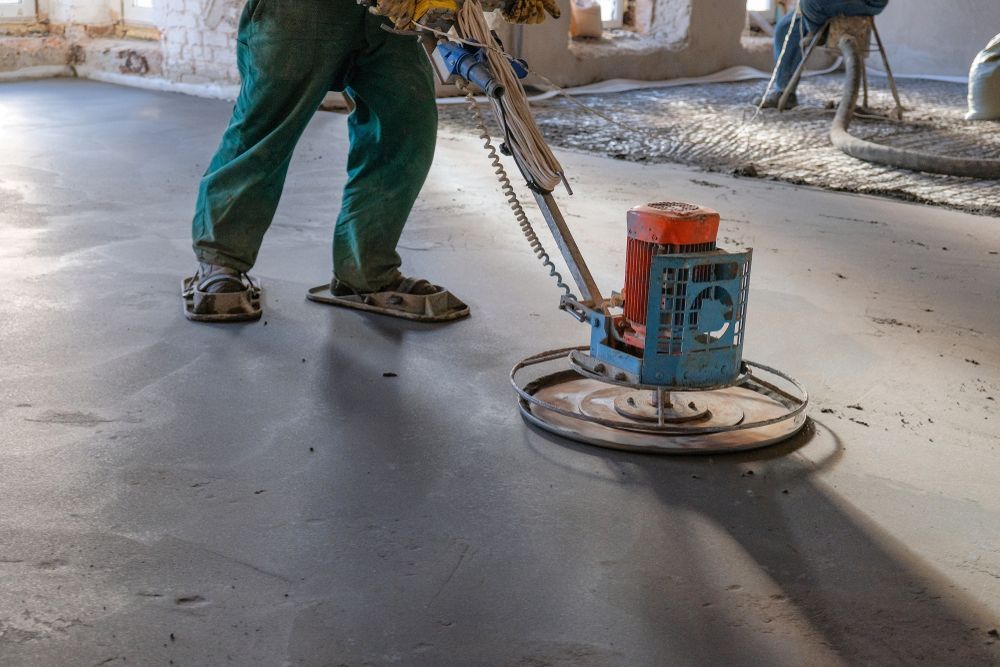
Water pooling on concrete surfaces signals improper slope verification during the finishing stage, a problem that accelerates freeze-thaw cracking across the Front Range. Ridgeline Contracting provides professional concrete finishing for smooth, durable surfaces on residential and commercial projects throughout Denver metro. The process includes troweling surfaces smooth, applying broom finishes for traction, cutting control joints, and verifying drainage slopes during the curing stage when corrections remain possible.
Finishing determines whether your concrete sheds water or traps it, and whether surface texture provides safe traction without creating maintenance problems. This work spans the I-25 corridor where temperature swings between day and night create challenging curing conditions that affect final surface quality and long-term durability.
Arrange an on-site consultation to assess slope requirements and surface texture options for your project.
How Finishing Affects Concrete Lifespan
The finishing process begins while concrete remains workable but firm enough to hold texture. Troweling compacts the surface and closes pores that would otherwise absorb moisture, while broom finishing drags bristles across to create slip-resistant texture without compromising the densified surface layer underneath.
After curing completes, you'll see a surface that directs water toward drainage points instead of creating low spots where moisture collects. The finished slab resists scaling during winter because proper troweling and slope work prevent water accumulation that would freeze, expand, and pop surface material loose during seasonal temperature cycles.
Control joints are cut or tooled into the surface at strategic intervals to manage where cracking occurs as concrete shrinks during curing. These grooves create intentional weak points that control crack location rather than allowing random fractures to develop across the slab, and they're spaced based on slab thickness and expected load patterns.
Concrete finishing involves technique decisions that affect both immediate usability and long-term performance across variable Denver metro weather conditions.
Common Questions About Finishing Work
What determines whether a surface needs broom finish or smooth trowel?
Traffic type drives texture decisions—driveways and walkways need broom texture for traction when wet or icy, while garage floors and equipment pads often use smooth troweling to simplify cleaning and reduce dirt accumulation in surface texture.
How is proper drainage slope verified during finishing?
Contractors use string lines and laser levels to check grade continuously during troweling, confirming minimum slope of one-quarter inch per foot toward drainage points, because correcting slope problems after concrete hardens requires grinding or overlays that cost significantly more than doing it right initially.
When should control joints be cut after pouring?
Joints are either tooled into the surface during finishing or saw-cut within 12 to 24 hours after pouring, before random cracking begins but after concrete gains enough strength to prevent saw blade damage, with timing adjusted for Denver's typically dry air that accelerates surface curing.
What happens if finishing occurs too early or too late?
Early troweling brings excess water to the surface and weakens the top layer, while late troweling misses the window when concrete accepts texture and compaction, resulting in surfaces that scale prematurely or fail to achieve proper drainage slope.
How does finishing technique differ for commercial versus residential slabs?
Commercial work often requires flatter floor tolerances measured with precision instruments, specified surface hardness ratings, and larger control joint spacing to accommodate equipment loads, while residential finishing prioritizes visible appearance and basic slope functionality for drainage.
Ridgeline Contracting applies finishing techniques matched to your surface requirements and local exposure conditions. Request a project estimate that specifies texture options and slope verification methods.